
Essential Tips for Smoking a Cigarette
Ever wondered what smoking is, really? Maybe you’re curious about what’s going on when someone lights up a cigarette, or perhaps you’re just looking for straight answers about the topic without getting a lecture. Finding neutral, factual information can be surprisingly difficult, leaving many with more questions than answers about one of the world’s most common habits.
This guide is a straightforward resource for the smoking basics, created for anyone who is curious—whether you smoke, know someone who does, or simply want to understand the subject better. The goal is to provide clear, simple facts from a place of understanding, not judgment.
The content begins by looking inside a cigarette to see what it contains beyond tobacco and paper. From there, it explores the science of addiction in simple terms, explaining how nicotine affects the brain and why quitting can be so challenging. Health experts agree that understanding this mechanism is a key part of grasping the full picture of cigarette smoking. Finally, the guide covers the real-world rules and risks associated with smoking, from health consequences and secondhand smoke to social etiquette, including where to find support if it’s ever needed.

What’s Really Inside a Cigarette, Besides Tobacco?
Most people know that cigarettes contain tobacco, but the real danger comes from the thousands of chemicals created when that tobacco burns. While the full list is extensive, understanding three key components helps clarify where the health risks come from.
Among these chemicals, three are particularly harmful:
- Nicotine: The addictive chemical that makes you want to keep smoking.
- Tar: A sticky, black substance that contains cancer-causing chemicals.
- Carbon Monoxide: A poisonous gas that is also found in car exhaust.
Each of these substances affects the body in a different way. Nicotine is what makes smoking feel good and creates the powerful urge to light up another cigarette. Tar is the physical residue—a sticky gunk that coats the delicate lining of the lungs and contains carcinogens, which are substances known to cause cancer. Meanwhile, colorless and odorless carbon monoxide enters your bloodstream and displaces oxygen, effectively starving your heart, brain, and other vital organs of what they need to function properly.
It’s this toxic trio—the addictive drug, the cancer-causing residue, and the oxygen-robbing gas—that makes smoking so damaging. Of these three, nicotine is the one that hooks you and makes it so hard to “just quit.”
Why Is It So Hard to “Just Quit”? The Science of Nicotine Addiction
The powerful hold of cigarettes has less to do with willpower and more to do with brain chemistry. When nicotine enters the brain—which it does in mere seconds after an inhale—it triggers a flood of a “feel-good” chemical called dopamine. This chemical is part of your brain’s natural reward system, the same one that makes you feel good after eating a great meal or laughing with a friend. By artificially creating this rush, nicotine teaches your brain to associate smoking with pleasure and relief, reinforcing the urge to do it again.
Eventually, the brain adapts to this regular dose of nicotine. The initial pleasurable effect starts to weaken as the brain’s receptors become less sensitive. This process is called tolerance, and it’s why someone might go from smoking a few cigarettes a week to a pack a day. They need more nicotine just to feel the same effects they once did, or even just to feel “normal.” This is a key reason why it is so hard to quit smoking.
Once the brain is dependent on nicotine, taking it away causes a significant disruption. This physical reaction is known as withdrawal. Without the chemical it has come to expect, the brain sends out alarm signals, leading to uncomfortable symptoms like irritability, anxiety, difficulty concentrating, and intense cravings. These feelings are not a moral failing; they are a predictable, physical response to a chemical imbalance.
This combination creates a challenging cycle. The urge to smoke is driven by the brain’s craving for a dopamine reward, while the fear of withdrawal makes stopping feel daunting. A person ends up smoking not just to feel good, but to stop feeling bad. While this battle for balance happens in the brain, the other chemicals in cigarette smoke are busy causing damage far beyond the lungs.
Beyond the Lungs: How Smoking Affects Your Whole Body
While the connection between smoking and lung damage is well-known, the long-term effects of smoking reach nearly every part of the body, from your heart to your skin. The thousands of chemicals in cigarette smoke travel through your bloodstream, causing widespread harm that often goes unnoticed until it becomes severe.
The impact on your circulatory system is immediate and significant. Chemicals in smoke cause blood vessels to constrict and narrow, forcing your heart to work much harder to pump blood throughout your body. Think of it like trying to push water through a pinched hose. Over time, this constant strain drastically increases the risk of heart attacks and strokes.
Some of the most visible damage happens in the mouth. The tar in cigarette smoke stains teeth, turning them yellow or brown, while the other chemicals contribute to persistent bad breath that can become a social issue. More seriously, smoking disrupts the healthy environment in your mouth, leading to a much higher risk of severe gum disease and even tooth loss.
Smoking also dramatically accelerates the aging of your skin. It breaks down collagen, the protein that keeps skin firm and elastic, which leads to premature wrinkles, particularly around the eyes and mouth. The harm from cigarette smoke isn’t limited to the person holding the cigarette; the cloud they exhale carries its own set of dangers for others.
Is Secondhand Smoke Really That Dangerous?
The health risks from a cigarette extend far beyond the person smoking. The smoke they exhale creates a hazardous environment for anyone nearby, a danger known as secondhand smoke. Health experts are clear that there is no safe level of exposure to secondhand smoke, no matter how small.
Often called environmental tobacco smoke, secondhand smoke is the combination of smoke exhaled by a smoker and the smoke coming from the lit end of a cigarette. It contains the same 7,000-plus chemicals the user inhales, including hundreds of toxic substances and about 70 carcinogens. For non-smokers, breathing it in is a direct cause of heart disease, stroke, and lung cancer.
A less obvious danger is thirdhand smoke: the toxic, sticky residue that clings to surfaces like clothes, furniture, and walls long after the air has cleared. This is the source of that stale, lingering smell in a smoker’s car or home. The residue releases harmful chemicals over time, creating a particular hazard for babies and children who may touch, crawl on, or mouth contaminated surfaces.
Because of these clear dangers, simply separating smokers from non-smokers within the same airspace doesn’t eliminate the risk. Opening a window or using a fan is not enough to protect others from harm. The only way to fully protect people from the proven risks of secondhand and thirdhand smoke is to maintain a 100% smoke-free environment.
Vaping vs. Smoking: What Do We Know About the Health Risks?
With the clear dangers of smoking, many people look to vaping as a potentially safer alternative. The fundamental difference lies in how they work. Smoking involves combustion—the burning of tobacco, which releases thousands of chemicals, including tar and carbon monoxide. Vaping, on the other hand, uses a battery to heat a liquid (often called “e-liquid” or “vape juice”) into an aerosol, or a fine mist, that is inhaled.
Because there is no burning, vapes don’t create the tar that is so damaging to the lungs. However, the comparison isn’t that simple.
- Cigarette smoke contains tar, carbon monoxide, and thousands of chemicals from burning plant material.
- Vape aerosol avoids tar and carbon monoxide but contains nicotine, tiny particles, and flavorings that are not meant to be inhaled.
The one major element they often share is nicotine. Since most vapes contain this highly addictive chemical, they can create or sustain an addiction just as effectively as cigarettes can.
This means that “less harmful” does not mean “harmless.” Health experts warn that the long-term effects of inhaling vape aerosol are still being studied. The chemicals used for flavoring, in particular, can cause serious lung damage and other health problems. According to organizations like the CDC, while vaping avoids the well-documented risks of burning tobacco, it introduces a different set of dangers and is not considered a safe activity.
Where Can You Legally Smoke? A Plain-Language Guide to the Rules
The rules around smoking can feel confusing, but they generally start with one simple number: 21. Across the entire United States, a federal law makes it illegal to sell tobacco and nicotine products to anyone under that age. This nationwide standard sets the baseline for who is legally allowed to purchase cigarettes.
Beyond age, most public smoking laws and regulations focus on protecting non-smokers from secondhand smoke. This is why you’ll find that smoking is banned in nearly all indoor public places, such as restaurants, offices, stores, and on public transportation. The core principle behind these laws is to keep the air in shared, enclosed spaces healthy for everyone, which means restricting smoking to private residences or designated outdoor areas.
Where it gets tricky is outdoors. Specific rules—like how far you must be from a building’s entrance or whether you can smoke in a public park—often change from one city or state to another. Because these laws vary so much, the best approach is to always look for “No Smoking” signs before lighting up. Legal rules are only part of the story; navigating social situations also requires understanding the unwritten expectations of proper smoking etiquette in public.
The Unwritten Rules: What Is Proper Smoking Etiquette in Public?
Beyond official laws, a set of unwritten social rules falls under proper smoking etiquette in public. While a locati0n might legally permit smoking, being considerate of the people around you is just as important. The goal is simple: to minimize how your smoke affects others’ health, comfort, and environment.
The most crucial step is to treat the air as a shared space. Before you light up in a group or near others—even outdoors—always ask, “Do you mind if I smoke?” This simple question shows respect for their personal space. If you do smoke, be mindful of where your smoke is traveling. A good practice is to position yourself downwind so that the smoke blows away from other people, especially children, and to avoid smoking in crowded areas or near building entrances where people have to walk through it.
A cigarette butt may seem small, but it is toxic litter that doesn’t easily break down. Never toss it on the ground or out of a car window. Always make sure your cigarette is completely extinguished and then dispose of it in a proper trash can or ashtray. Good etiquette is about being aware and reducing your impact. One persistent side effect remains: the smell of cigarette smoke can cling stubbornly to clothes, furniture, and rooms.
How to Get That Stubborn Cigarette Smell Out of Your House and Car
That distinct, stale odor from smoking doesn’t just hang in the air; it seeps into everything. If you’re trying to figure out how to get cigarette smell out of a house or car, your first line of defense is always fresh air. Consistent ventilation is crucial. Open windows and use fans to circulate air and push the smelly, chemical-laden air outside, preventing it from settling into the room in the first place.
However, ventilation alone often isn’t enough because the smell isn’t just airborne. Cigarette smoke leaves behind a sticky, yellowish film of tar on every surface it touches, from walls and windows to dashboards and countertops. This residue is the primary source of the lingering odor. To remove it, a deep cleaning is necessary. A simple solution of one part white vinegar to one part water can be used to wipe down hard, non-porous surfaces. The vinegar helps cut through the greasy tar, removing the source of the smell rather than just masking it.
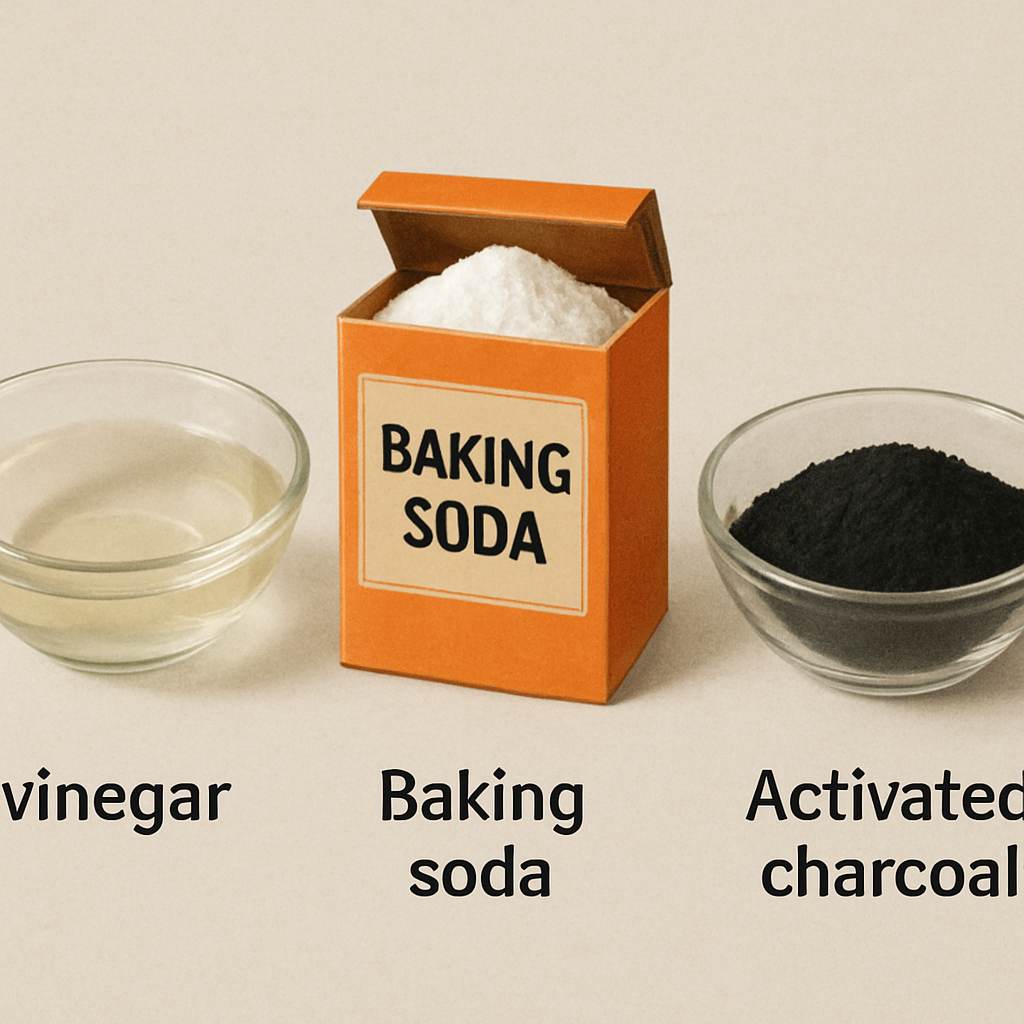
For lingering odors that remain after cleaning, you can use common household items to absorb them over time. Placing bowls of activated charcoal or open boxes of baking soda around a room or in a car can work wonders. These materials are porous and effectively trap odor-causing particles from the air. While it’s not an instant fix, this method can significantly neutralize stubborn smells over the course of a few days.
This combination of smoke smell cleanup—ventilation, surface cleaning, and absorption—is the most effective way to manage the issue. The residue left behind by tobacco smoke is often called thirdhand smoke, and it contains the same harmful chemicals found in the smoke itself. The only permanent solution is to stop the source of the smoke, and the benefits of doing so extend far beyond a cleaner-smelling home.
What Happens When You Quit? The Surprising Benefits Timeline
The benefits of quitting smoking go far beyond a cleaner-smelling home; the body’s healing process begins almost immediately. Within just 20 minutes of the last cigarette, your heart rate and blood pressure start to drop back toward normal levels. This shows just how quickly your body starts to recover once it’s no longer dealing with the constant stress of nicotine and other chemicals.
This positive trend continues dramatically over the next year. The benefits of quitting smoking timeline reveals significant milestones for your health. After only 12 months without smoking, a person’s risk of having a heart attack is cut in half. The cardiovascular system can bounce back quickly from the strain that smoking puts on it, drastically reducing the risk of one of the most serious health consequences.
Looking further out, the long-term picture becomes even more encouraging. After five years of being smoke-free, your risk of having a stroke can fall to that of a nonsmoker. Within ten years, your risk of dying from lung cancer drops by about half. While smoking causes serious damage, the body has an incredible capacity to repair itself over time, significantly increasing life expectancy.
Quitting at any age is a story of recovery and renewed health. The journey is often difficult, but knowing that tangible, life-saving benefits start within minutes can be a powerful motivator. Because this path is so challenging, having a strong support network can make all the difference.

How You Can Support Someone Who Is Trying to Quit Smoking
Supporting someone who is trying to quit smoking is about becoming an empathetic ally, not a source of pressure. Quitting is a difficult process, and setbacks are a normal part. Your role is to offer encouragement without judgment. Instead of reacting to a slip-up with disappointment, try offering support: “A slip-up is okay. What can we do to get back on track tomorrow?”
You don’t have to be an expert on the ways to manage nicotine withdrawal symptoms. Often, the best support you can provide is connecting your friend or family member to proven resources. These services offer free, confidential guidance that can help them navigate the challenges and realize the long-term benefits of quitting smoking.
For professional coaching and support, direct them to the national quitline at 1-800-QUIT-NOW or the tools and tips available at SmokeFree.gov. By replacing judgment with empathy and providing access to help, you create a supportive space that genuinely empowers their decision to quit.

Cigarette shelf life is greatly affected by environmental conditions:
• Ideal environment (dry, cool, and dark, such as refrigeration): Can be stored for 2-3 years or even longer with minimal flavor changes.
• Normal environment (room temperature and coolness): Can be stored for 1-2 years, but the taste will gradually deteriorate.
• Unfavorable environment (high temperature and humidity): May mold and spoil within a few months.