

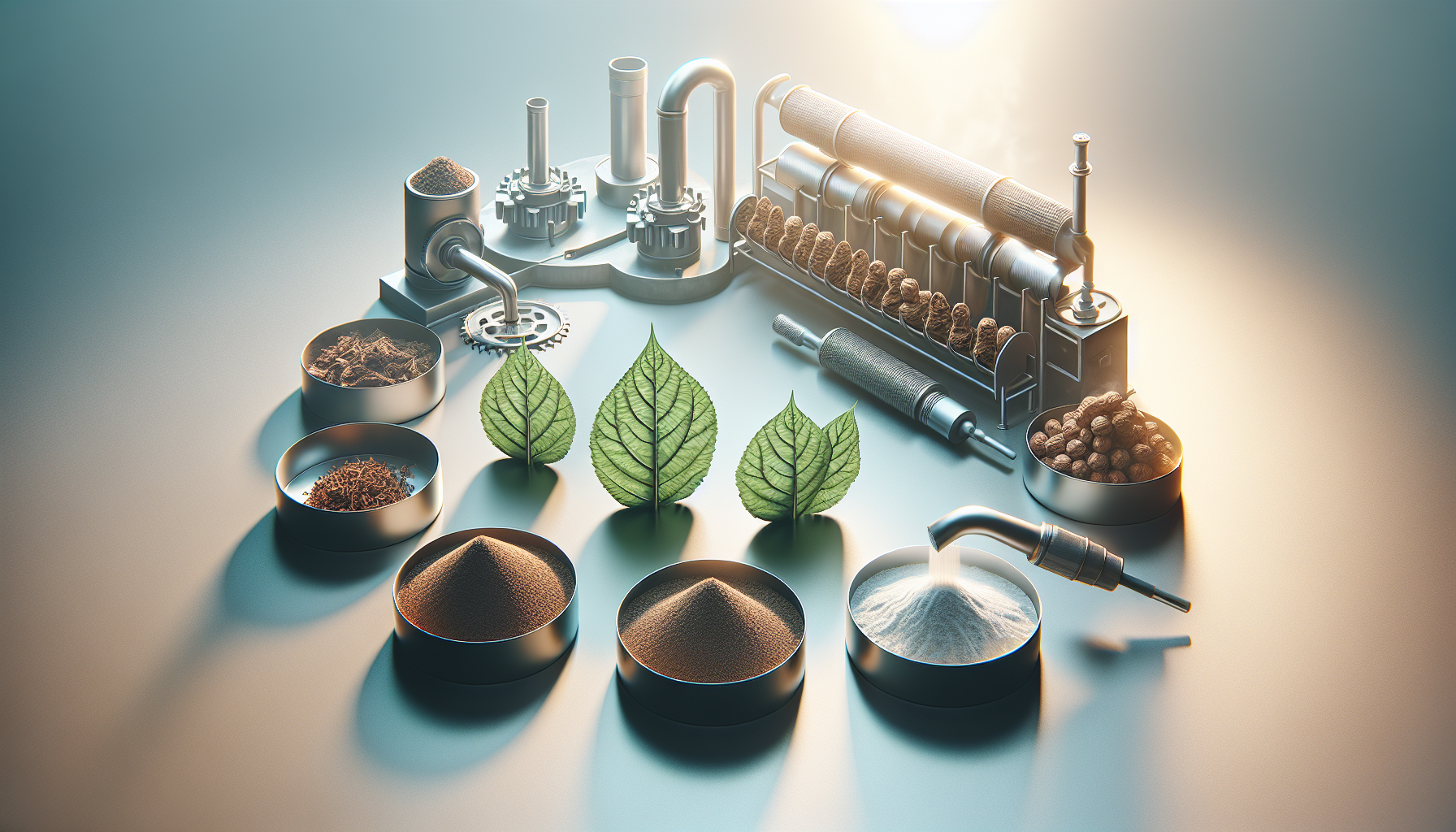
If you’ve ever wondered how snus is made, what ingredients it contains, or how modern snus production differs from traditional smokeless tobacco methods, this guide explains everything step by step.(Grabba vs Cigarettes: Which Is Healthier? Complete Comparison Analysis)
Snus is a moist oral smokeless tobacco product traditionally associated with Nordic countries. Unlike cigarettes, it is placed under the upper lip, where nicotine is absorbed through the oral lining rather than inhaled.
Modern snus manufacturing focuses on precision, safety, and consistency—resulting in controlled nicotine delivery, stable moisture levels, and predictable flavour profiles.
In this guide, you’ll learn:
- How snus is manufactured step by step
- What ingredients are used in snus
- How pasteurized snus differs from fermented tobacco
- How manufacturers maintain high quality standards
- Whether homemade snus is a realistic option
What Is Snus and How Does It Work?
Snus is a smokeless tobacco product designed for oral use. It delivers nicotine through the mucous membrane in the upper lip.
Today, snus is available in:
- Portion snus (pre-packed pouches)
- Loose snus (user-shaped portions)
- Mini, slim, and large formats
- Flavoured and traditional tobacco varieties
- Different nicotine strengths
The defining feature of modern snus is that it is pasteurized rather than fermented, which significantly improves consistency and reduces unwanted microbial activity.
Step-by-Step Snus Manufacturing Process
1. Raw Tobacco Selection
The snus production process begins with selecting premium tobacco leaves. Manufacturers often use air-cured or sun-cured varieties, commonly derived from Nicotiana tabacum.
The origin, curing method, and leaf quality influence:
- Nicotine content
- Aroma
- Strength
- Final flavour profile
After harvesting, the leaves are dried and aged in controlled environments to develop character before grinding.
2. Grinding the Tobacco into Fine Powder
The cured leaves are milled into a fine tobacco powder.
Particle size is critical:
- Too coarse → uneven texture
- Too fine → poor moisture retention
Precision grinding ensures smooth consistency and predictable nicotine release.
3. Pasteurization: The Key Difference in Modern Snus Production
Unlike chewing tobacco or dip, snus does not rely on fermentation.
Instead, the tobacco-water mixture undergoes controlled heat treatment (pasteurization). This process:
- Reduces bacteria and microorganisms
- Stabilizes nicotine delivery
- Extends shelf life
- Minimizes harmful byproducts
This is one of the main reasons why Swedish-style snus production is considered more standardized and controlled compared to traditional smokeless tobacco methods.
4. Adding Water, Salt, and pH Regulators
After pasteurization, additional ingredients are added to fine-tune performance.
Water
Creates the moist consistency that defines snus and improves mouthfeel.
Salt (Sodium Chloride)
Enhances flavour and acts as a mild preservative.
pH Regulators
Alkaline compounds adjust acidity levels. A higher pH increases the availability of free nicotine, influencing absorption speed and strength.
5. Flavouring and Formulation
Food-grade flavourings are added to diversify product offerings.
Popular flavour categories include:
- Mint snus
- Citrus snus
- Bergamot snus
- Traditional tobacco flavour
Manufacturers carefully balance flavour intensity to complement—not overpower—the tobacco base.
6. Moisture Control and Quality Testing
Moisture content is continuously monitored to ensure:
- Shelf stability
- Comfortable use
- Consistent nicotine release
Before packaging, batches undergo laboratory testing for:
- pH balance
- Microbial safety
- Chemical composition
- Flavour consistency
Only products that meet strict quality benchmarks proceed to packaging.
7. Portioning and Packaging
The final product is prepared in one of two formats:
Portion Snus
Tobacco is filled into permeable pouches that allow nicotine and flavour to release gradually.
Loose Snus
Packaged in bulk form for users who prefer manual portioning.
Products are sealed in airtight containers designed to protect against light, oxygen, and temperature changes.
Refrigerated storage is typically recommended to preserve freshness.
What Ingredients Are in Snus?
Many users ask: What exactly is snus made of?
The standard ingredients include:
- Tobacco
- Water
- Salt
- pH regulators (such as sodium carbonate)
- Food-grade flavourings
- Humectants (to retain moisture)
Each ingredient directly influences flavour, texture, stability, and nicotine delivery.
Modern Snus vs. Traditional Smokeless Tobacco
Traditional smokeless tobacco relied heavily on fermentation. This natural process created:
- Stronger, less predictable flavours
- Higher variability in chemical composition
- Less controlled hygiene conditions
Modern pasteurized snus manufacturing replaced fermentation with scientific precision, ensuring:
- Greater consistency
- Controlled nicotine strength
- Improved safety standards
- Batch-to-batch uniformity
This evolution also paved the way for tobacco-free nicotine pouches, which mimic snus format but eliminate tobacco leaf entirely.
Can You Make Snus at Home?
Some users search for how to make snus at home.
While it is technically possible, DIY snus production lacks:
- Precise temperature control
- Laboratory microbial testing
- Accurate pH measurement
- Industrial pasteurization systems
Home methods typically involve mixing ground tobacco with water, heating it at low temperatures, adding salt and alkaline agents, and refrigerating the mixture.
However, commercial snus offers significantly higher reliability, safety, and consistency.
Why Manufacturing Quality Matters
High-quality snus production requires:
- Premium tobacco sourcing
- Controlled pasteurization
- Automated ingredient measurement
- Continuous moisture monitoring
- Laboratory safety testing
- Hygienic production facilities
- Traceability systems
- Cold-chain storage
These systems ensure predictable nicotine delivery, stable flavour, and product safety.
Looking for High-Quality Snus?
Understanding how snus is made helps you choose products with better consistency and reliable nicotine strength.
When purchasing snus, look for:
- Established brands with controlled manufacturing
- Clear nicotine strength labeling
- Properly sealed packaging
- Refrigerated storage when possible
Choosing professionally manufactured snus ensures a safer and more consistent experience compared to homemade alternatives.
FAQ: How Snus Is Made
How is snus different from chewing tobacco?
Snus is pasteurized rather than fermented, offering more consistent nicotine delivery and improved microbial control.
What determines snus strength?
Nicotine strength depends on tobacco selection and pH balance.
Why is snus refrigerated?
Cool storage helps preserve moisture, flavour stability, and shelf life.
Final Summary
Snus is produced through a carefully controlled process involving tobacco selection, grinding, pasteurization, ingredient balancing, portioning, and packaging. Modern manufacturing prioritizes hygiene, precision, and consistent nicotine delivery.
By understanding how snus is made, you can make more informed decisions when selecting products that match your preferences for strength, flavour, and format.


One thought on “HOW IS SNUS MADE? A COMPLETE GUIDE TO SNUS INGREDIENTS, PROCESS & QUALITY STANDARDS”