

A Guide to Freshness, Staleness, and Safety
You found a long-lost pack of cigarettes in a winter coat pocket. The immediate question: “Are these still good?” While cigarettes don’t have a formal expiration date printed on the box like a carton of milk, they definitely don’t stay fresh forever. They go stale, and that changes everything from their taste to how they burn.
Think of it like a bag of crackers or spices. There’s no official date when they become unsafe, but you know when they’ve lost their punch. The question of whether cigarettes go bad works the same way (How to smoke a cigarette?). The primary issue isn’t about expiration in a traditional sense, but about a significant drop in quality that makes them harsh and unpleasant to smoke.
What causes this change? It all comes down to moisture. The tobacco in every cigarette is treated to maintain a specific humidity level for a smooth, even burn. Over time, especially in an opened pack, that moisture evaporates. The tobacco becomes dry, brittle, and dusty—much like old tea leaves you might find in the back of a cupboard.
So, how can you spot a stale cigarette, and does its age affect the health risks? This guide provides clear, practical answers. We’ll give you a simple checklist for identifying stale cigarettes, explain their realistic shelf life, and address the critical question of whether an old cigarette is any worse for your health.
The Science of Stale: Why Cigarettes Dry Out and Lose Their Punch
So, what does “stale” actually mean for a cigarette? The answer comes down to one simple ingredient: moisture. Think of the tobacco inside a cigarette like a fresh spice or tea leaf—it contains a specific amount of water to preserve its flavor and texture. When that moisture is gone, the quality drops dramatically.
The main culprit behind this process is air exposure. Just as leaving bread on the counter turns it hard and crumbly, leaving a cigarette exposed to air allows its natural moisture to evaporate. This dried-out tobacco burns hotter and faster than intended. The result is a harsh, acrid smoke that has none of the intended flavor and often leaves an unpleasant, stale taste in your mouth.
This is precisely why cigarette packs are sold with that thin plastic wrapper. It’s not just for show; it’s an essential barrier that locks in the tobacco’s freshness and humidity, protecting the cigarettes from the drying effects of open air. Once that seal is broken, the clock starts ticking much faster.
Ultimately, keeping a cigarette “fresh” is a battle against dryness. The difference between a smooth smoke and a harsh one often has less to do with how old the cigarette is and more to do with how well it was protected from the air.
Your 4-Sense Checklist: How to Tell if a Cigarette Is Stale
Fortunately, you don’t need to be an expert to spot a stale cigarette. Since staleness is all about the loss of moisture and flavor, your own senses are the best tools for the job. You can usually tell if a cigarette has gone bad long before you ever light it up. Use this quick checklist:
- Look: A fresh cigarette has bright, white paper. A stale one often looks discolored, turning slightly yellow or brownish. Also, check for any dark, fuzzy spots, which are clear signs of mold and mean it should be discarded immediately.
- Feel: Gently roll the cigarette between your fingers. If it feels dry and brittle, crackling under the pressure, it’s stale. Fresh tobacco is soft and slightly springy. You might also notice dry tobacco flakes falling out of the end.
- Smell: A fresh cigarette has a distinct, rich, and slightly sweet tobacco aroma. A stale one loses this character, smelling faint, dusty, or like old paper.
- Taste: The ultimate giveaway is the taste. Instead of a smooth flavor, the smoke will taste harsh, acrid, and papery, with little to no real tobacco flavor.
In short, a stale cigarette fails every sensory test. But while it’s clearly a lower-quality smoke, that raises a much more important question: is it any more dangerous than a fresh one?
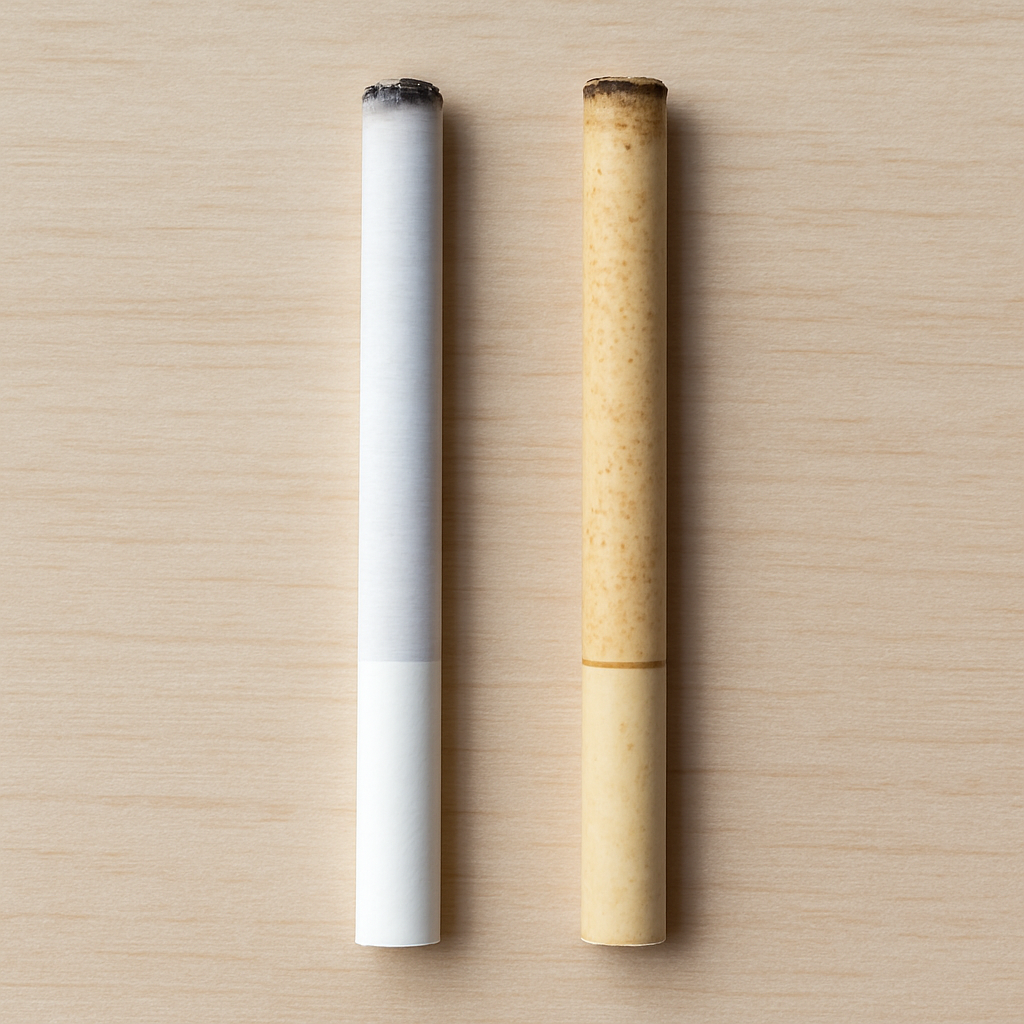
The Safety Question: Are Stale Cigarettes More Dangerous to Smoke?
This is the crucial question. Knowing a cigarette is stale is one thing, but understanding what that means for your health is far more important. The harsh, unpleasant taste of an old cigarette can easily make you wonder if it’s become more toxic over time.
The key thing to understand is the difference between the quality of the experience and the inherent risk of the product. When you smoke old cigarettes, the tobacco, having lost its moisture, burns hotter and faster. This creates a harsher, more acrid smoke that feels unpleasant to inhale, but it doesn’t create new, unique toxins.
Ultimately, a stale cigarette is not considered more dangerous than a fresh one because all cigarettes are fundamentally dangerous. The thousands of chemicals and dozens of carcinogens that make smoking a major health risk are present in the tobacco from day one. They don’t magically appear as a cigarette gets older, nor do they disappear. The primary health risks remain exactly the same.
So while a stale cigarette isn’t “more toxic,” it delivers a harsh and unsatisfying smoke without reducing any of the significant, underlying dangers. The real takeaway is that freshness affects the experience, but it doesn’t change the health equation.
The Shelf Life Showdown: Unopened vs. Opened Packs
So, just how long do cigarettes stay fresh? The answer depends entirely on whether the pack has been opened. An unopened pack, still sealed in its plastic wrapping, can maintain a reasonable level of freshness for about one year. This wrapper acts as a crucial barrier, protecting the tobacco from the drying effects of open air and preserving its intended moisture content.
That protective seal makes all the difference. Once you tear off the plastic, the clock starts ticking much faster. An opened pack of cigarettes will begin to go stale in just a few days. Without the wrapper, air circulates freely, wicking away moisture and causing the tobacco to become dry, brittle, and harsh. Think of it like a sealed bag of coffee beans versus an open one; the aroma and flavor fade rapidly once exposed.
You might notice a string of numbers printed on the bottom of the pack and assume it’s an expiration date. This is actually a manufacturing code, often a “Julian date.” It simply tells you when the cigarettes were made, not when they go bad. For example, a code like ‘245’ on a pack from 2023 means it was produced on the 245th day of that year (September 2nd). It’s a reference for the factory, not a freshness guarantee for you.
While all tobacco eventually dries out, certain types of cigarettes are even more sensitive to time. Cigarettes with added flavors, like menthols, have an extra component that can degrade.



The Fading Flavor: Why Menthol Cigarettes Go Stale Faster
That distinct cooling sensation from a menthol cigarette is often the first thing to go. This is because the flavor isn’t part of the tobacco itself; it’s an additive that can fade much faster than the tobacco dries out. You might find an older pack where the tobacco still seems fine, but that signature minty kick is completely gone, leaving behind a flat, disappointing taste.
Think of the menthol like the scent from an air freshener. When you first open it, the fragrance is strong and fills the room. Over time, however, the scent simply evaporates into the air until nothing is left. The menthol in a cigarette behaves the same way. Exposure to air causes the flavor compound to dissipate, and once it’s gone, it’s gone for good. This process happens even faster in an opened pack.
Ultimately, this creates two different kinds of staleness. A menthol cigarette can lose its flavor in a matter of weeks, even if the tobacco itself isn’t completely stale yet. A truly old cigarette, on the other hand, will be both flavorless and feel dry and brittle to the touch.
The Preservation Plan: How to Store Cigarettes for Long-Term Freshness
To keep cigarettes from going stale, think of how you’d store coffee beans or spices: in a cool, dry, and dark place. Heat and sunlight are the enemies of freshness, accelerating the process that dries out the tobacco and fades its flavor. That’s why one of the worst places to keep a pack is in a car’s glove box, where temperatures swing wildly. A simple drawer or cupboard away from windows is the best way to store cigarettes long term.
It might seem logical to put cigarettes in the refrigerator to keep them fresh, but this is a common mistake. While you want to avoid dryness, too much humidity is just as bad. A fridge is a damp environment that can make tobacco soggy, leading to an uneven burn and a harsh, musty taste. The goal is to maintain the tobacco’s original moisture balance, not to expose it to dampness.
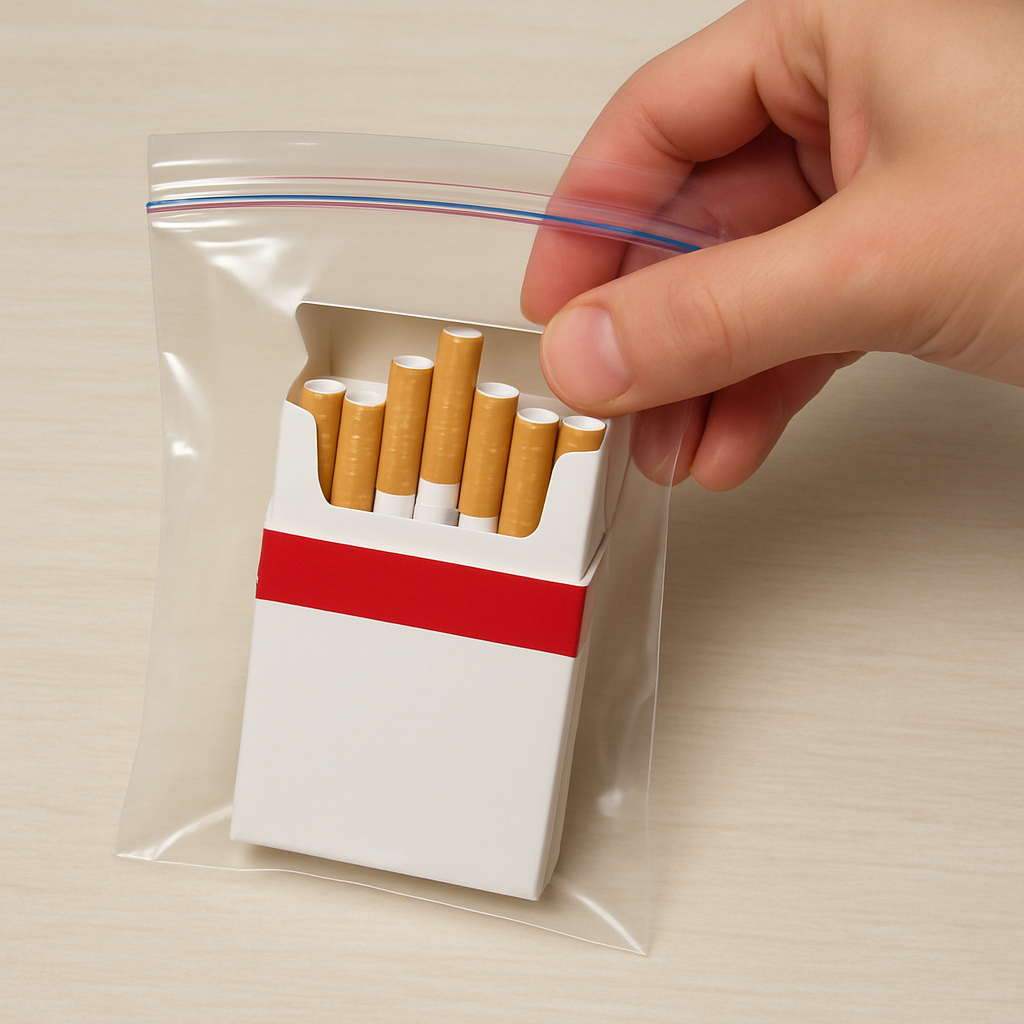
Once a pack is opened, the clock starts ticking much faster. To dramatically extend the freshness of an opened pack, simply place it inside a resealable plastic bag. This creates a more airtight seal that helps lock in moisture and flavor for days longer.
The “Revival” Myth: Can You Really Bring Dry Cigarettes Back to Life?
When cigarettes go dry, it’s tempting to search for a quick fix. You might have heard about tricks for reviving dry cigarettes, like putting a small piece of orange peel or a damp paper towel in the pack. The idea is that the brittle tobacco will absorb the moisture and become smokable again. While this can technically add moisture back into the tobacco, it introduces a much bigger problem: mold.
Tobacco is an organic plant material, and adding moisture to it in a closed space creates the perfect breeding ground for fungus. Think of what happens to a loaf of bread sealed in a plastic bag—it doesn’t take long for fuzzy green or white spots to appear. The same exact process can happen to your cigarettes, often within just a day or two.
You can often spot the signs of mold on cigarettes easily. Look for fuzzy white, green, or even black patches on the tobacco or paper. Another telltale sign is a musty, damp-basement smell that overpowers the normal scent of tobacco. Smoking mold is incredibly hazardous, as it means you are inhaling fungal spores directly into your lungs, which carries risks far beyond those of tobacco itself.
Because of this high risk, attempting to rehydrate stale cigarettes is not a safe or recommended practice. Once a cigarette has gone completely dry and brittle, it’s best to consider it past its prime for good.
The Final Word: Quality vs. Safety
While cigarettes don’t have a formal expiration date, they certainly do go bad. The difference between a fresh and a stale cigarette comes down to quality, not an increase in health risks. A stale cigarette provides a harsh, unpleasant smoke because the tobacco has dried out, but it isn’t inherently more dangerous than a fresh one—all cigarettes carry significant health risks from day one.
The key is knowing how to tell if a cigarette is stale. Trust your senses: look for yellowing paper, feel for brittle and dry tobacco, and smell for a dusty, faint aroma instead of a rich one. These signs indicate a loss of moisture and flavor, confirming the cigarette is past its prime.
Ultimately, freshness affects the smoking experience, but it doesn’t change the underlying health equation. An old cigarette is a low-quality one, but the real risk lies in the product itself, regardless of its age.


One thought on “Do cigarettes expire?”