
Sleep apnoea creeps up on people unawares. One day you’re merely drained upon waking, the next you’re jolted awake gasping for air, left wondering why eight hours in bed feels like barely two. It’s no surprise that more and more people are asking one simple question: is smoking the root cause behind sleep apnoea?(Can You Use Nicotine Patches and Lozenges Together? (Expert Guide 2026))
Across Canada, sleep apnoea impacts a substantial share of the adult population. Data from leading bodies including the Canadian Lung Association draws a clear link between sleep disordered breathing and lifestyle factors with smoking chief among them. Put plainly, smoking creates the ideal conditions for interrupted breathing throughout the night.
Why Does Smoking Trigger Sleep Apnoea?
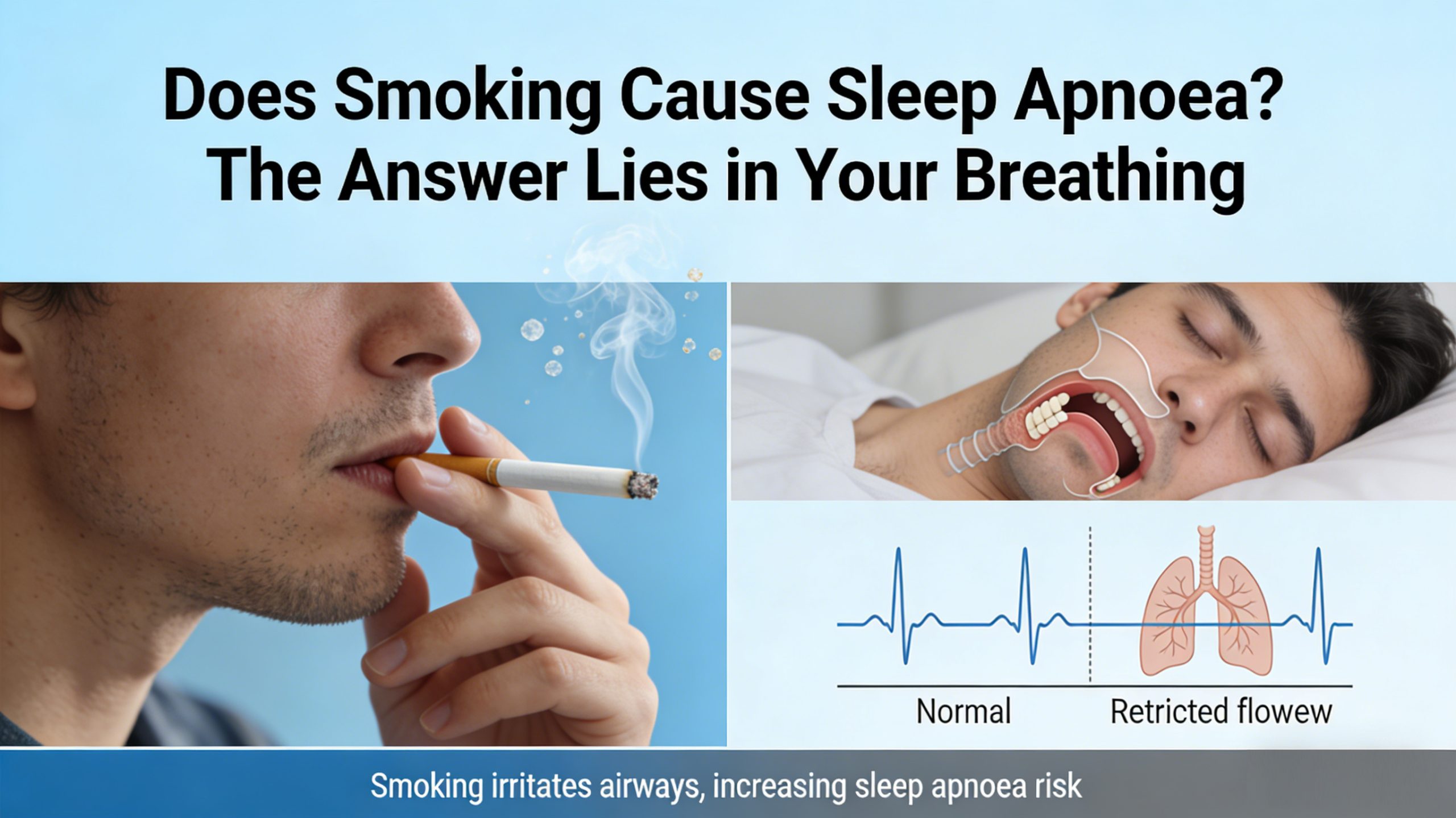
The harm of smoking extends far beyond irritating lung tissue; it compromises the entire respiratory system, and sleep apnoea originates directly in the upper airway. Sleep medicine specialists have researched this connection extensively over recent years, and the findings are unequivocal: long-term smokers are far more likely to suffer disrupted breathing during sleep, erratic sleep cycles, and the relentless exhaustion of waking up tired despite a full night’s rest.
There are three core, science-backed causes:
- Chronic Upper Airway Inflammation: Cigarette smoke contains thousands of harmful chemicals that constantly irritate the soft mucosal lining of the nose and throat. Over time, this persistent irritation triggers swelling, drastically raising the risk of airway blockage when you lie down to sleep.
- Nicotine Disrupts Sleep Signalling: Nicotine is a potent central nervous system stimulant that interferes with the brain’s natural sleep regulating pathways. This makes it nearly impossible for smokers to establish consistent, restful sleep patterns and this imbalance directly disturbs steady breathing at night.
- Structural Airway Narrowing: Prolonged smoking leads to smoking induced oropharyngeal narrowing, where throat tissues gradually constrict due to repeated smoke exposure. This physical narrowing of the airway severely undermines breathing stability during sleep.
When chronic irritation, inflammatory swelling and sleep disruption collide, smokers develop the hallmark symptoms of sleep apnoea: deafening snoring, pounding morning headaches, and unrelenting daytime drowsiness.
How Smoking Damages Your Airways Overnight
Healthy nighttime breathing relies on a delicate balance of throat muscle relaxation: when you fall asleep, these muscles soften slightly, but the airway remains open enough for unobstructed airflow. Long-term smoking shatters this balance completely.
Smoke exposure inflames the airway lining, prompting the body to produce excess mucus to combat the irritation. The result is a narrowed, mucus-clogged airway that cannot stay open during sleep sparking a vicious cycle: partial airway collapse → brief breathing pause → brain rouses the body to restore oxygen → repeat, all night long.
Worse still, smokers fall into a damaging loop: poor sleep leaves them exhausted by day, so they reach for a cigarette to stay alert, yet that same cigarette further disrupts nighttime sleep and amplifies fatigue. The very cigarettes smoked to “stay awake” are the ones robbing you of restful sleep.
Smoking and Obstructive Sleep Apnoea (OSA): An Unbreakable Link
When clinicians refer to sleep apnoea, they are almost always describing Obstructive Sleep Apnoea (OSA) – the most prevalent form of sleep related breathing disorder, characterised by complete upper airway collapse during sleep that cuts off airflow entirely.
The connection between smoking and OSA is impossible to ignore: smokers face far higher rates of airway irritation and tissue swelling than non smokers, and swollen airways are exponentially more likely to close during sleep. Long term smoking also escalates OSA severity, particularly for those with pre existing risk factors such as a naturally narrow airway or excess neck fat, where smoke irritation worsens symptoms dramatically.
Key Symptoms of Severe OSA: Deafening, disruptive snoring; moments of complete breathing cessation during sleep; sudden nighttime gasping for air; persistent morning headaches; extreme, unmanageable daytime sleepiness.
Left untreated, severe OSA triggers a cascade of serious health complications: high blood pressure, chronic cardiovascular strain, and if paired with Chronic Obstructive Pulmonary Disease (COPD), nighttime breathing becomes even more unstable.
The gold standard treatment for OSA remains CPAP (Continuous Positive Airway Pressure) Therapy, which delivers a steady flow of pressurised air to keep the airway open the primary intervention for most Canadian OSA patients.


If You Already Have Sleep Apnoea, Smoking Will Worsen Your Condition
A diagnosis of sleep apnoea means continuing to smoke is akin to pouring water on a leaking roof: it makes managing the condition exponentially harder, and undermines any medical treatment you receive.
For starters, nicotine’s stimulant effect prevents deep, restorative sleep, and a lack of deep sleep directly disrupts nighttime breathing rhythms. Equally, ongoing smoking keeps upper airway inflammation chronic, amplifying OSA symptoms: worse daytime drowsiness, louder snoring, more frequent nighttime awakenings, and crippling morning headaches.
To compound matters, smoking induced nasal and throat congestion ruins CPAP therapy tolerance. Many patients struggle with dry nasal passages, mucosal irritation and persistent congestion, leading to poor treatment adherence and ineffective symptom management.
Smoking and Central Sleep Apnoea: Indirect Yet Harmful Effects
Beyond obstructive apnoea, there is Central Sleep Apnoea (CSA) a rarer form caused not by physical airway blockage, but by the brain temporarily halting signals to the respiratory muscles, a neurological regulatory failure.
Smoking does not typically cause CSA directly, but nicotine and tobacco toxins interfere with normal nervous system function, altering the brain’s ability to regulate breathing rhythms and increasing nighttime breathing instability. When CSA overlaps with OSA, it causes Complex Sleep Apnoea Syndrome, requiring adjusted CPAP settings or advanced medical devices and smoking related irritation makes treating these complex cases far more challenging.
Can Smoking Alone Cause Sleep Apnoea? Key Risk Factors to Note
The short answer: no, not usually. Sleep apnoea nearly always develops from a combination of physical anatomical factors and lifestyle choices smoking is not a standalone cause, but it drastically elevates risk, and its harmful effects are amplified when paired with other risk factors.
Sleep clinicians note that apnoea risk surges when these factors combine:
- Naturally narrow upper airway anatomy
- Excess neck fat and elevated body weight
- Chronic nasal congestion
- Prolonged secondhand smoke exposure
- Current or long term former smoking
Crucially, children exposed to secondhand smoke face lasting respiratory harm. Multiple studies link environmental smoke exposure to childhood breathing disturbances and even paediatric sleep apnoea while core causes differ from adult cases, tobacco smoke directly damages developing airways and disrupts overnight breathing.
Secondhand Smoke: The Invisible Sleep Apnoea Trigger
When discussing smoking and sleep apnoea, secondhand smoke cannot be overlooked even non smokers face heightened risk with prolonged exposure.
Indoor smoking fills the air with toxic particulates that irritate non smokers’ respiratory tracts, causing nasal and throat swelling that raises OSA risk. Secondhand smoke also disrupts normal sleep architecture – the delicate balance of sleep stages vital for uninterrupted overnight breathing.
For children, the risks are even starker: paediatricians consistently link household smoking to higher rates of respiratory illness and sleep disruption, making environmental smoke a key consideration in childhood sleep apnoea cases. Beyond apnoea, secondhand smoke causes chronic bronchitis, respiratory illness and even lung cancer all conditions that further impair nighttime breathing.
Will Quitting Smoking Improve Sleep Apnoea?
A common misconception is that once OSA develops, only medical treatment helps this is far from accurate.
Internal medicine specialists confirm that quitting smoking effectively relieves the airway inflammation driving sleep disruption. After stopping smoking, the respiratory system enters a gradual repair phase: throat swelling subsides, excess mucus production eases, and lung function stabilises. These changes directly improve overnight breathing, lower OSA risk, and alleviate existing symptoms.
For newly diagnosed OSA patients, smoking cessation is a vital lifestyle adjustment that stabilises overnight breathing. While quitting may not “cure” severe OSA outright, it eliminates the primary airway irritant, making CPAP and other medical treatments far more effective.
Evidence based smoking cessation aids include:
- Nicotine gum to ease withdrawal symptoms and curb cravings
- Behavioural therapy to address long term smoking habits
- Sleep monitoring to track breathing improvements post-cessation
Clinicians typically combine these supports with standard OSA care for optimal results. The benefits of quitting extend far beyond better sleep, too: it reduces heart disease and chronic bronchitis risk, boosting overall respiratory health.
How Long Does Sleep Improve After Quitting? The Recovery Timeline
Many ex-smokers notice temporarily worse sleep in the first few weeks after quitting this is completely normal. Long-term nicotine exposure disrupts the brain’s sleep regulation, and sudden withdrawal disturbs sleep cycles temporarily, causing fragmented sleep, vivid dreams or difficulty falling asleep. This is simply the body’s calibration phase as it breaks nicotine dependence.
Sleep Recovery Timeline After Quitting:
- First few weeks: Nicotine withdrawal hits, causing temporary sleep disruption and restlessness
- 1–3 months: Smoke-related airway irritation fades, breathing eases, and nighttime awakenings drop sharply
- Several months later: Sleep architecture fully stabilises, deep sleep increases, and breathing interruptions improve drastically
For OSA patients, recovery speed depends on weight, airway anatomy and smoking history but noticeable symptom relief comes as inflammation subsides.
A Smoother Choice for Nicotine Users: Cut Smoke, Reduce Airway Harm
Not everyone is ready to quit nicotine entirely, and many users simply want to enjoy nicotine without the severe respiratory irritation of tobacco smoke – which is why smoke free nicotine products have surged in popularity.
For Canadian nicotine users, Smoke123 is a reliable, cost effective online retailer, offering a wide range of domestic cigarettes, vapes, snus, nicotine pouches and more, with nationwide home delivery. Skip the hassle of high-street stores and limited stock, with convenient doorstep delivery every time.
Smoke-free nicotine products eliminate tobacco smoke irritation entirely, cutting airway inflammation and swelling at the source. They satisfy nicotine cravings while protecting respiratory health, helping to keep overnight breathing clear and unobstructed.
Frequently Asked Questions (FAQs)
Does smoking directly cause sleep apnoea?
No, but it drastically increases risk by inflaming the upper airway, causing swelling and blockages, while triggering hallmark symptoms like snoring and breathing pauses.
Can quitting smoking cure sleep apnoea?
Not for severe OSA cases, but it eases airway irritation, reduces symptoms, and makes CPAP and other medical treatments far more effective.
Does secondhand smoke raise sleep apnoea risk?
Yes. Secondhand smoke irritates non-smokers’ airways, causes mucosal swelling, and disrupts sleep patterns, raising risk for both adults and children.
How does nicotine affect overnight breathing?
Nicotine acts as a stimulant, disrupting the brain’s sleep signals and destabilising sleep cycles, which in turn disturbs nighttime breathing and worsens apnoea symptoms.
Are smokers more likely to develop sleep apnoea?
Absolutely Long-term smoking causes chronic airway inflammation, physical narrowing, and sleep disruption, making smokers far more susceptible to sleep apnoea than non-smokers.
Final Summary
Smoking is not the sole cause of every sleep apnoea case, but it is undeniably a major trigger and symptom exacerbator. Tobacco smoke-induced airway irritation, swelling and mucus buildup, paired with nicotine’s disruption of sleep regulation, create the perfect storm for overnight breathing interruptions.
For nicotine users, there is a middle ground: you don’t have to give up nicotine entirely, but you can choose smoke free alternatives to cut airway harm. This lets you satisfy cravings while protecting your respiratory health and securing restful, uninterrupted sleep.
Smoke123 brings that choice to Canadian nicotine users trusted domestic products, hassle free home delivery, and a way to enjoy nicotine without compromising your overnight breathing.