
In today’s health-conscious society, the demand for smoke-free environments is more pronounced than ever. Whether you’re seeking a smoke-free restaurant, park, or hotel room, knowing how to find these zones can significantly improve your lifestyle and well-being. If your map queries default to “Smoking near me” or “smoking spots near me,” this guide shows how to refine them to surface smoke-free choices. This comprehensive guide explores various methods to identify and enjoy smoke-free zones in your vicinity, ensuring you can breathe easy and enjoy your surroundings. (2026 Is Grabba Tobacco Safe? Uses, Risks & Alternatives)
Smoke-free zones are designated areas where smoking is strictly prohibited to protect public health and promote a clean atmosphere. These areas are essential for individuals who prefer to avoid tobacco smoke due to health concerns, allergies, or personal preferences. Smoke-free zones are often mandated by law, especially in public spaces like parks, restaurants, and hotels. Understanding the nuances of these zones can help you make informed decisions about where to spend your time.
The Importance of Smoke-Free Zones
Smoke-free zones play a crucial role in safeguarding public health. They reduce the exposure to secondhand smoke, which has been linked to numerous health risks, including respiratory infections, heart disease, and cancer. For families with children, these zones provide a safe environment free from harmful pollutants. Moreover, smoke-free areas contribute to a cleaner environment, reducing litter from cigarette butts and enhancing the overall aesthetic of public spaces.
Legislation and Health Benefits
Globally, governments have implemented legislation to create smoke-free environments. These laws are designed to minimize the public’s exposure to harmful tobacco smoke. By frequenting smoke-free zones, individuals can significantly reduce health risks associated with secondhand smoke. These regulations also serve to encourage smokers to quit or reduce their tobacco consumption, promoting a healthier society.
Types of Smoke-Free Zones
Smoke-free zones can be found in various settings, each offering unique benefits:
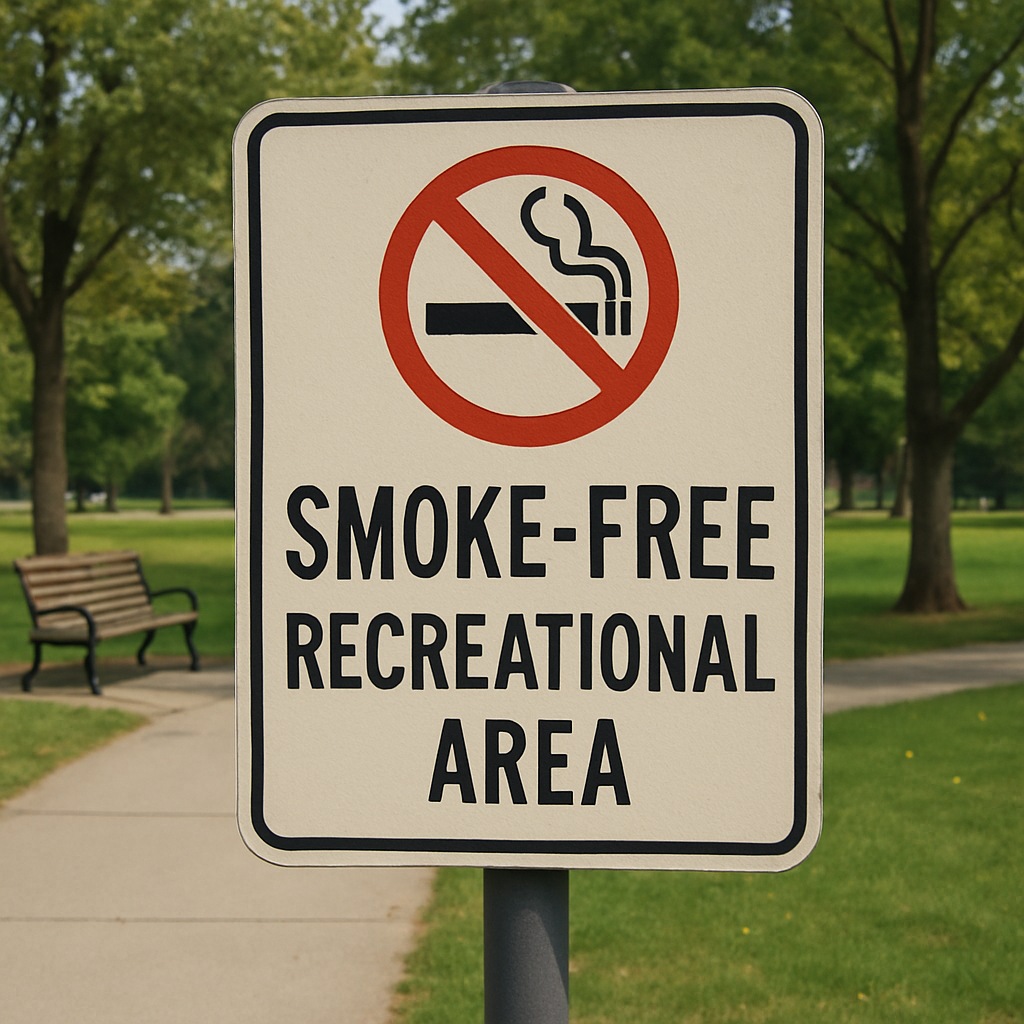
- Public Spaces: Parks, beaches, and recreational areas are common smoke-free zones, providing a breath of fresh air for visitors.
- Hospitality Venues: Restaurants, cafes, and bars often designate smoke-free sections or are entirely smoke-free, enhancing dining experiences.
- Hotels: Many accommodations offer smoke-free rooms or are entirely smoke-free properties, ensuring a healthier stay.
- Transportation Hubs: Airports and train stations frequently enforce smoke-free policies to protect travelers from secondhand smoke.
Finding Smoke-Free Restaurants and Cafes
Dining out is a cherished activity for many, and finding smoke-free restaurants can enhance this experience. Here are some effective strategies to locate these establishments and enjoy a clean air dining experience.
Online Platforms and Apps
In the digital age, online platforms and apps are invaluable tools for finding smoke-free dining options. Websites like Yelp, Google Maps, and TripAdvisor provide filters to narrow down search results to include only smoke-free venues. If you start with a generic query like “Smoking near me,” adjust the filters and keywords to emphasize smoke-free venues instead of results for “cigarette shops nearby.” By utilizing keywords such as “smoke-free restaurants near me,” you can curate a list of establishments that prioritize a clean air experience. These platforms often feature user reviews, offering insights into the quality and ambiance of the smoke-free environment.
Local Directories and Reviews
Local directories are another excellent resource for identifying smoke-free restaurants. Many cities and towns publish guides or directories highlighting establishments with smoke-free policies. Reading reviews on these platforms can provide additional information about the enforcement of smoke-free regulations. This can also help distinguish smoke-free listings from search results related to “tobacco stores near” your locati0n. Patrons frequently comment on the ambiance and adherence to smoke-free policies, offering firsthand insights into the dining experience.
Inquiring Directly
When in doubt, a direct inquiry can be the most reliable method to confirm a restaurant’s smoke-free status. Contacting the establishment via phone or email allows you to ask specific questions about their policies and any designated smoking areas. This approach ensures you have accurate information before visiting, preventing any surprises and allowing you to enjoy your meal in a smoke-free environment.
Discovering Smoke-Free Parks and Recreational Areas
Parks and recreational areas provide a respite from urban life, and smoke-free zones enhance this tranquility. Here’s how to find and enjoy these spaces.
Government and Local Authority Websites
Municipal websites are a reliable source of information regarding smoke-free parks and recreational areas. These sites often list designated smoke-free zones and any specific regulations that apply. By visiting these websites, you can access official information and maps that highlight smoke-free areas, ensuring a pleasant outdoor experience.
Community Boards and Forums
Community boards and forums, both online and offline, offer valuable insights into smoke-free recreational spaces. Local residents frequently share their experiences and recommendations for smoke-free parks, providing firsthand information about the best spots to visit. When browsing community maps, avoid conflating parks with suggestions for “smoking spots near me,” which can appear in dense urban areas and may not align with smoke-free preferences. Engaging with these communities can also connect you with like-minded individuals who prioritize smoke-free environments, enhancing your outdoor adventures.
Apps Dedicated to Outdoor Activities
Apps focused on outdoor activities, such as AllTrails or Komoot, often include information about smoke-free parks and trails. These platforms allow users to search for locations that align with their preferences for a smoke-free environment. With features like user reviews and detailed maps, these apps can help you discover new and exciting smoke-free recreational areas to explore.
Locating Smoke-Free Hotel Rooms
Traveling can be challenging for those seeking smoke-free accommodations. However, with the right tools and strategies, you can find suitable lodging options that prioritize your health and well-being.
Hotel Booking Websites
Hotel booking websites like Booking.com, Expedia, and Hotels.com offer filters for smoke-free properties. By selecting this option, you can browse hotels that guarantee a smoke-free experience, ensuring a comfortable stay. Instead of searching “smoking rooms near me” or “smoking hotel rooms near me,” enable smoke-free filters so your results match your preferences. These platforms often include detailed descriptions of hotel amenities and policies, allowing you to make informed decisions about your accommodations.
Hotel Chains with Smoke-Free Policies
Some hotel chains have adopted comprehensive smoke-free policies for all their properties. Brands like Marriott and Hilton often provide smoke-free rooms or entire smoke-free hotels, ensuring a health-conscious stay. This can be helpful if results for “smoking room hotels near me” appear but you prefer a completely smoke-free stay. By choosing these chains, you can rest assured that your accommodations align with your smoke-free preferences.
Contacting Hotels Directly
Before booking, directly contacting the hotel to confirm their smoke-free policy can prevent any surprises upon arrival. Speaking with hotel staff allows you to inquire about the availability of smoke-free rooms and any specific policies in place. This proactive approach ensures your comfort during your stay, providing peace of mind and a healthier travel experience.
Smoke-Free Zones in Tobacco-Dense Areas

by Florian Olivo (https://unsplash.com/@florianolv)
Navigating areas with a high prevalence of tobacco use can be daunting. However, smoke-free zones are still accessible, even in tobacco-dense locales. Here are some strategies to locate these sanctuaries.
Utilizing Local Health Department Resources
Local health departments often advocate for smoke-free environments and provide resources and maps indicating smoke-free zones. These departments may offer brochures, flyers, or online resources detailing the locations of smoke-free areas within the community. By utilizing these resources, you can navigate tobacco-dense areas with ease and confidence.
Advocacy and Support Groups
Organizations dedicated to reducing tobacco use, such as the American Lung Association, often have resources and information on smoke-free zones. These groups can provide guidance and support for those seeking smoke-free environments, offering tools like online directories or interactive maps. Engaging with advocacy groups can also connect you with a community of individuals committed to promoting smoke-free living.
The Role of Technology in Identifying Smoke-Free Zones
Technology has revolutionized the way we locate smoke-free environments. Advanced mapping tools and mobile applications provide real-time information, enhancing the ease of finding these zones.
Smoke-Free Apps
Apps specifically designed to locate smoke-free areas can be incredibly useful. Smoke-Free Places and similar applications allow users to search for smoke-free locations, offering convenience at your fingertips. These apps often feature user-generated content, providing up-to-date information on smoke-free zones and user reviews to guide your choices. If your searches resemble “Smoking near me,” refine them with smoke-free filters and terms to prioritize healthier results.
Social Media and Networking
Social media platforms are excellent for networking with like-minded individuals who prioritize smoke-free environments. Joining groups or following pages dedicated to smoke-free living can provide valuable tips and updates. By engaging with these communities, you can stay informed about new smoke-free initiatives and events in your area.
Conclusion
Embracing smoke-free zones in your area not only supports your health but also contributes to a cleaner environment. With the right tools and resources, locating these zones can be a straightforward process. From dining and recreation to travel accommodations, smoke-free options are abundant and accessible. By leveraging technology, community resources, and direct inquiries, you can enjoy the benefits of smoke-free living in any locale.
Prioritizing smoke-free environments is a step towards a healthier, more fulfilling lifestyle. Whether you’re at home or traveling, smoke-free zones offer a sanctuary from the adverse effects of tobacco smoke, ensuring that you can breathe easy and enjoy your surroundings. By actively seeking out and supporting smoke-free initiatives, you contribute to a healthier community and a brighter future for all.