
Understanding Grabba Tobacco: Uses and Effects
Grabba tobacco is a unique type of tobacco leaf. It is known for its strong flavor and aroma. This makes it popular in certain cultures and regions.(Understanding Grabba Weed: A Comprehensive Guide)
The leaf is darker and thicker than other tobacco types. It is often used in the Caribbean and among Caribbean communities. Grabba can be smoked alone or mixed with cannabis.
The term “grabba” is sometimes used interchangeably with “frontal leaf” tobacco. This type of tobacco is less processed than regular cigarette tobacco. Some users prefer it for its natural qualities.
Grabba tobacco is known for its high nicotine content. This can lead to addiction, similar to other tobacco products. Health risks are associated with its use.
The preparation of Grabba involves drying and curing the leaves. It is often sold in whole leaf form. This allows users to customize their smoking experience.
Grabba tobacco holds cultural significance in some communities. It is sometimes used in rituals or ceremonies. The legal status of Grabba varies by region.
Understanding Grabba tobacco requires considering its chemical composition and cultural context. Users should be aware of potential health risks. Public health organizations often warn against its use.
What Is Grabba Tobacco?
Grabba tobacco is a distinct type of tobacco leaf. It boasts a bold flavor and rich aroma. Its defining features make it a favorite in various cultures.
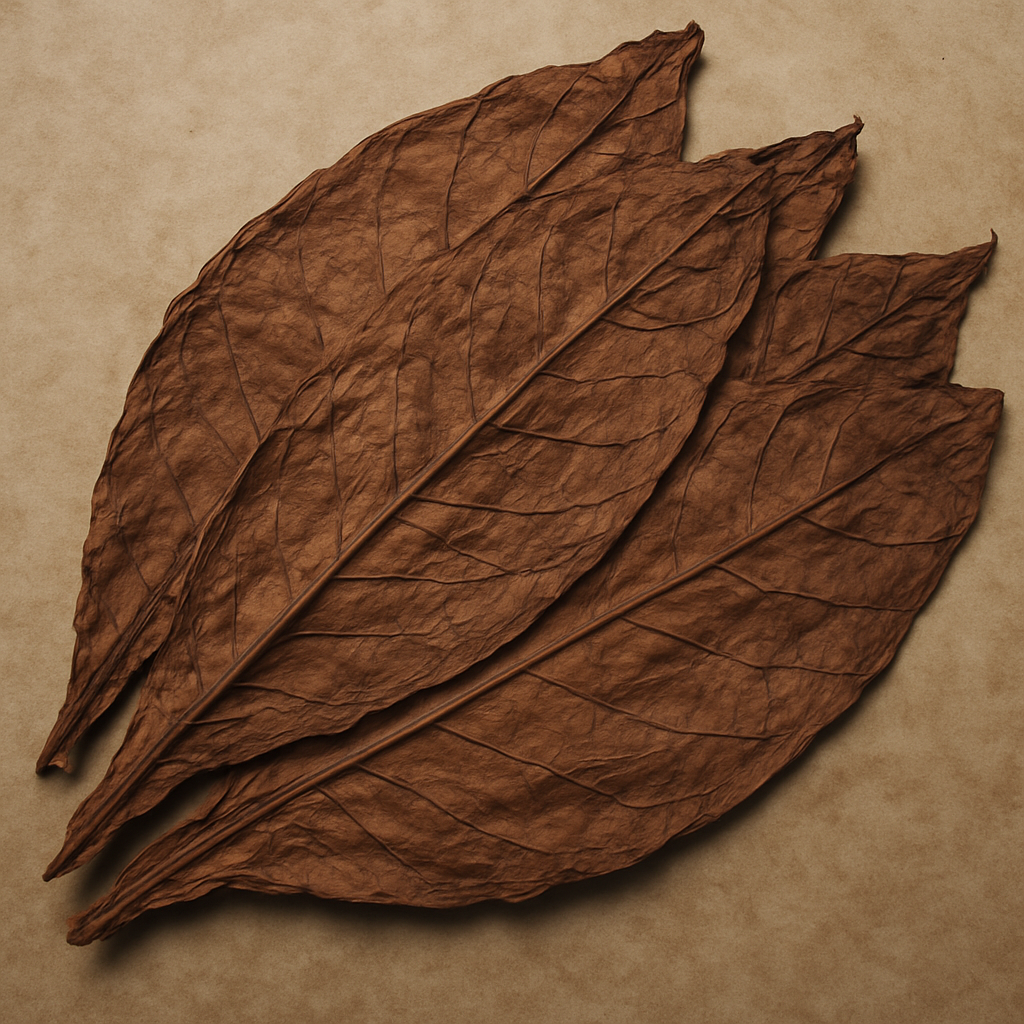
This tobacco is typically darker and thicker than conventional leaves. Its robust appearance distinguishes it from many other tobacco products on the market. Its natural characteristics appeal to many users.
Grabba’s high nicotine content is noteworthy. This aspect often leads to stronger effects than standard cigarette tobacco. For some, this is part of its allure and appeal.
The product is less processed, maintaining its natural form. Many users appreciate this unrefined quality. This simplicity contributes to its unique cultural significance.
Grabba is sometimes called “frontal leaf” tobacco. Despite similar names, it has unique properties. This distinction adds to its complexity.
To provide a clearer understanding, here are key characteristics of Grabba tobacco:
- Darker and thicker leaf.
- High nicotine content.
- Less processed nature.
- Strong flavor and aroma.
- Unique cultural significance.
It’s important to differentiate Grabba from other tobacco types. Its properties and uses create a distinctive experience. This article will delve deeper into these aspects, offering a comprehensive understanding.
The History and Cultural Significance of Grabba
Grabba tobacco boasts a rich and fascinating history. Its roots trace back to the Caribbean. This region is known for its vibrant cultural practices.
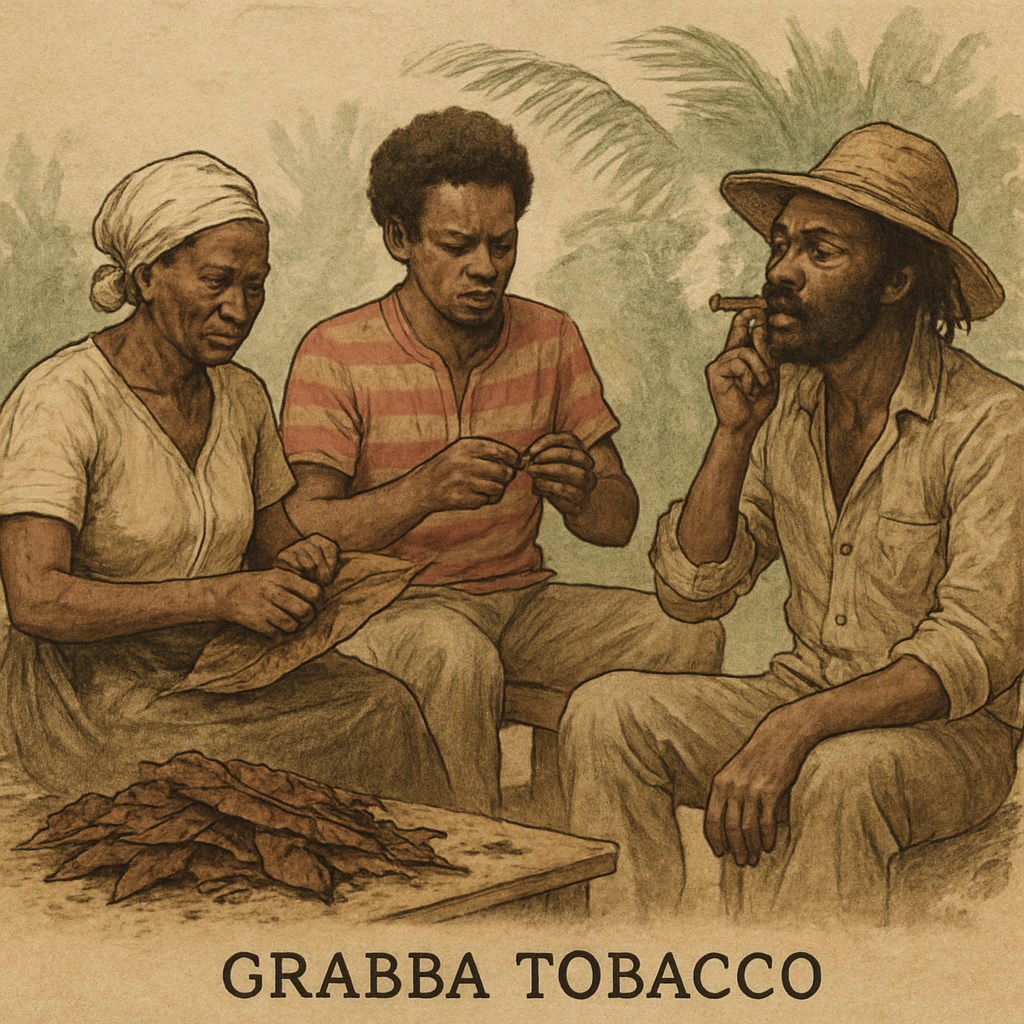
The use of Grabba tobacco has deep cultural ties. For many, it serves as a symbol of tradition. It reflects the heritage of its users.
In Caribbean communities, Grabba often features in rituals. These ceremonies reflect the communal and historical aspects of tobacco use. It is both a social and traditional activity.
Its historical journey is intertwined with tobacco cultivation. Regions famous for tobacco production also contribute to its prominence. This legacy extends across continents with migration and cultural exchange.
The tobacco’s cultural significance has grown over time. As communities spread globally, so did Grabba’s influence. Today, its use extends beyond its origins.
Understanding Grabba’s history involves appreciation for:
- Its Caribbean roots.
- Importance in traditional ceremonies.
- Influence on social practices.
- Its role in cultural dissemination.
- Symbolism of heritage.
The global diaspora has helped foster its international popularity. New generations embrace both its traditional and contemporary uses. Grabba remains a bridge connecting past traditions to modern lifestyles.
How Grabba Tobacco Is Made: From Leaf to Use
Grabba tobacco follows a unique production process. It starts with carefully cultivated tobacco plants. These plants are chosen for their robust leaves.
Once harvested, the leaves undergo drying. This crucial step ensures a rich flavor. Air drying is often the preferred method.
Curing comes next. This process amplifies the leaves’ inherent characteristics. It also enhances the tobacco’s aroma and strength.
After curing, the leaves are prepared for market. They are often sold in whole-leaf form. This allows users to tailor their experience.
Before use, many people strip and crumble the leaves. This preparation can vary according to personal preference. Some may use blades to achieve their desired cut.
The transformation from raw leaf to consumable form involves several stages:
- Harvesting the robust leaves.
- Air drying to maintain flavor.
- Curing to enhance aroma and strength.
- Selling in versatile whole-leaf form.
- User-driven preparation and customization.
Finally, Grabba tobacco is ready for consumption. Whether mixed with other substances or used alone, its journey from plant to product is intricate. This process not only preserves its natural qualities but also maintains its strong cultural connections.
Is Grabba and Tobacco the Same? Understanding the Differences
The question of whether Grabba and tobacco are the same has puzzled many. While both are from the tobacco plant, differences exist. Grabba is tobacco, but with distinct features.
Grabba tobacco is less processed than regular cigarette tobacco. This minimal processing keeps its natural integrity. It also results in a different user experience.
Unlike typical tobacco, Grabba is sold as whole leaves. These are thicker and darker. This offers smokers a distinct sensory experience compared to lighter, more refined tobaccos.
The term “grabba” is often used interchangeably with “frontal leaf”. However, not all frontal leaf tobaccos are considered Grabba. The specific characteristics and preparation methods set Grabba apart.
Some key differences include:
- Processing: Grabba is less processed.
- Form: Whole leaves vs. shredded.
- Color: Darker and richer.
- Thickness: Denser than cigarette tobacco.
- Experience: More robust flavor and aroma.
Understanding these differences is crucial for users. It helps them choose based on preferences and desired experience. Grabba offers a traditional and powerful tobacco experience, distinct from typical commercial products.
Common Uses of Grabba Tobacco
Grabba tobacco is versatile and enjoyed in many ways. Its robust flavor and strong aroma appeal to various users. Let’s explore the common uses of Grabba tobacco.

by XT7 Core (https://unsplash.com/@xt7core)
One popular use is mixing Grabba with cannabis. This enhances the smoking experience. The natural richness of Grabba complements cannabis, creating a potent blend.
Smokers also use Grabba in roll-your-own (RYO) cigarettes. The unprocessed leaves are ideal for this practice. It allows users to customize their smoking materials, adding a personal touch.
In some regions, Grabba is chewed. This practice is less common but still significant. Chewing Grabba delivers nicotine quickly to the bloodstream, offering a rapid buzz.
Cultural rituals often incorporate Grabba tobacco. In certain communities, using Grabba is part of traditional ceremonies. It symbolizes respect for heritage and customs.
Users sometimes blend Grabba with other tobacco products. Adding Grabba to commercial tobacco can enhance flavor. This method offers depth to the smoking experience.
Here’s a summary of Grabba uses:
- Mixing with cannabis for intense smoking.
- Rolling into RYO cigarettes for personalization.
- Chewing in regions where this is prevalent.
- Incorporating in cultural rituals and ceremonies.
- Blending with other tobaccos for enhanced flavor.
These applications showcase Grabba’s adaptability. Its unique properties make it a sought-after tobacco variant. Understanding these uses informs consumers and respects cultural contexts.
Grabba Leaf Tobacco: Types and Characteristics
Grabba leaf tobacco is known for its distinct features and variations. It differs significantly from conventional tobacco, offering unique characteristics.
One primary type of Grabba leaf is the darker, thicker variety. This form of Grabba is popular for its strong flavor, highly appreciated by seasoned smokers.
Lighter Grabba leaves also exist, though less common. These may be preferred by those seeking a milder experience without compromising aroma.
The curing process significantly influences Grabba’s characteristics. Sun-curing is a traditional method used to dry the leaves. This natural technique enhances the leaf’s potency and taste.
Grabba tobacco possesses a high nicotine content. This attribute is responsible for its intense effects. The elevated nicotine is both a draw and a caution for users.
Here’s a breakdown of Grabba leaf characteristics:
- Darker, thicker leaves for bold flavor.
- Lighter leaves for milder taste.
- Sun-curing methods for natural processing.
- High nicotine content for strong effects.
Understanding these types and characteristics can inform consumer choices. It also highlights the unique nature of Grabba tobacco. As a tobacco variant, it offers diverse experiences due to its distinct features.
How Grabba Is Consumed: Methods and Practices
Grabba tobacco offers diverse consumption methods, each providing a unique experience. These practices often reflect cultural traditions and personal preferences.
Smoking is the most common way to consume Grabba. Users either enjoy it alone or blend it with cannabis for enhanced potency. This blend is popular in Caribbean cultures.
Some prefer smoking Grabba in a pipe. This method provides a consistent and robust smoke, making it ideal for those seeking to savor its full flavor.
Roll-your-own cigarettes are another popular option. Using whole Grabba leaves as wrappers, users can craft tailored smoking experiences. This method is prized for its customization potential.
Chewing Grabba tobacco is less common but still practiced. This method allows users to absorb nicotine without smoking, though it still carries health risks.
Here are common methods of Grabba consumption:
- Smoking alone or with cannabis.
- Using a pipe for consistent flavor.
- Rolling cigarettes with Grabba wrappers.
- Chewing for nicotine absorption.
Grabba tobacco’s versatility in consumption methods contributes to its widespread appeal. Each method offers different flavor profiles and effects, catering to varying user preferences. Understanding these consumption practices helps individuals choose the best way to enjoy Grabba.
The Effects of Grabba Tobacco: What to Expect
Using Grabba tobacco can lead to various effects. These depend on the method and amount consumed.
One of the primary effects is a heightened sense of relaxation. Many users report feeling calm and tranquil after consumption. This effect is often why it’s mixed with cannabis.
However, due to its high nicotine content, Grabba can also increase heart rate and blood pressure. Some users may feel jittery or restless, particularly after heavy use.
Grabba’s strength can also lead to dizziness or nausea in some individuals. This reaction is more common among new users not accustomed to nicotine.
Users should be aware of the potential for addiction. Regular use can lead to dependency, as with other tobacco products.
Key effects to be aware of include:
- Increased relaxation and calmness.
- Possible jitteriness and restlessness.
- Risk of dizziness or nausea.
- Potential for developing addiction.
Understanding these effects is crucial for users. It helps in managing and anticipating their experiences while using Grabba tobacco.
Is Grabba Tobacco Bad for You? Health Risks and Concerns
Like all tobacco products, Grabba tobacco poses health risks. These risks are primarily due to its nicotine content and potential for addiction.
Nicotine is a powerful stimulant found in Grabba. It can lead to increased heart rate and heightened blood pressure. Over time, these effects may contribute to cardiovascular diseases.
Smoking Grabba also impacts the respiratory system. Tar and other harmful chemicals can damage lung tissue. This damage may result in chronic conditions such as bronchitis or emphysema.
Moreover, many users mix Grabba with cannabis, which can compound health risks. The combination increases exposure to harmful smoke and chemicals.
There’s also the risk of cancer associated with tobacco use. The carcinogens in tobacco smoke are known to increase cancer risks in the lungs, throat, and mouth.
Consider the following health concerns:
- Increased risk of cardiovascular issues.
- Potential for chronic respiratory problems.
- Higher risk when mixed with other substances.
- Increased cancer risk due to carcinogens.
Public health organizations warn against using any tobacco products, including Grabba. These warnings stress the severe health consequences tied to long-term use.
Awareness and caution are crucial. Understanding these risks can help users make informed decisions about Grabba tobacco.
Grabba Tobacco and Addiction: What You Need to Know
Nicotine addiction is a significant concern with Grabba tobacco. This addiction comes from nicotine’s powerful effects on the brain.
Users can quickly develop a dependency on nicotine. This dependency makes quitting Grabba tobacco challenging for many.
The high nicotine content in Grabba can lead to addiction swiftly. Similar to other tobacco products, this can occur after only a few uses.
Consider these addiction-related facts:
- Nicotine stimulates the brain’s reward system.
- Regular use can lead to dependence.
- Withdrawal symptoms may include anxiety and irritability.
Those who use Grabba should be aware of the signs of addiction. These signs include intense cravings and withdrawal symptoms.
Understanding the risk of addiction can help users make informed choices. Seeking support for quitting is essential for those trying to overcome their dependence. Remember, help is available for anyone needing assistance in quitting. Recognizing the habit is often the first step to recovery.
Legal Status and Regulation of Grabba Tobacco
The legal status of Grabba tobacco varies significantly across countries. In some regions, it is subject to tobacco regulations similar to cigarettes and cigars.
Governments often impose taxes and regulatory measures on Grabba tobacco. These measures aim to control use and reduce health risks.
In many places, the sale of Grabba is restricted. It might be confined to licensed vendors and not available to minors.
Consider these regional regulations:
- In the US, Grabba is treated like other tobacco products.
- In Europe, it follows EU-wide tobacco laws.
- Some Caribbean nations have fewer restrictions.
Laws can also differ depending on how Grabba is consumed. Smoking or using it in conjunction with cannabis can invite stricter penalties.
Knowing the local laws is important for users and sellers. Compliance ensures legal use and avoids potential fines or legal issues.
Alternatives to Grabba Tobacco
As awareness of the health effects of tobacco use grows, alternatives to Grabba tobacco are becoming popular. Many consumers seek less harmful options.
Herbal wraps provide a tobacco-free alternative. These wraps often use a blend of herbs and natural flavors. They aim to mimic the experience of using Grabba without the nicotine.
Some of the popular alternatives include:
- Herbal wraps: Made from a variety of herbs.
- Non-tobacco smoking herbs: Used alone or combined with cannabis.
- Organic hemp wraps: Provide a nicotine-free smoking experience.

by Lamacoppa Leaf Sciences (https://unsplash.com/@lamacoppaleafsciences)
Smoking cessation tools are also viable options. Nicotine patches, gums, and electronic cigarettes can help reduce cravings. These tools aim to lower tobacco dependence.
Exploring these alternatives could benefit those concerned about health risks. Non-tobacco options can offer a safer way to enjoy similar experiences.
Frequently Asked Questions About Grabba Tobacco
Many people have questions about Grabba tobacco. Understanding common queries can help clarify misconceptions.
What is Grabba tobacco?
Grabba is a type of tobacco leaf known for its robust flavor. It is often darker and stronger than regular tobacco.
Is Grabba and tobacco the same thing?
Grabba is a form of tobacco but differs from processed cigarette tobacco. It is typically less processed.
How is Grabba tobacco used?
Grabba is versatile. It is smoked on its own, mixed with cannabis, or used as a wrapper.
Is Grabba tobacco bad for you?
Like all tobacco products, Grabba carries health risks. It can lead to addiction and respiratory issues.
Where is Grabba tobacco commonly used?
Grabba is particularly popular in the Caribbean. It is also used among Caribbean communities elsewhere.
Understanding these FAQs about Grabba tobacco can guide users in making informed choices.
Conclusion: Should You Use Grabba Tobacco?
Deciding to use Grabba tobacco is a personal choice. It’s essential to weigh the pros and cons.
This tobacco offers a natural, robust flavor. Its cultural relevance adds an intriguing element for some users.
However, like all tobacco products, Grabba poses health risks. Potential addiction and respiratory issues are significant concerns.
Consider your health goals and lifestyle when making your decision. Understanding Grabba fully helps in making an informed choice.